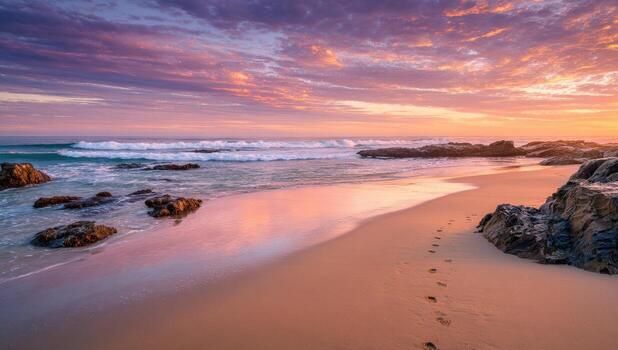

Australia Best Beaches for Domestic and International Travelers
Australia isn’t just a country with beaches — it’s a continent wrapped in coastline. With over 25,000 kilometers of shore stretching across tropical, temperate, and desert climates, the diversity is extraordinary. From the turquoise coves of Western Australia to the dramatic cliffs of Tasmania and the red-sandbacked swimming holes of the Northern Territory, each coastal destination tells a completely different story. For domestic travelers, these beaches offer weekend escapes, surf breaks, and family-friendly havens. For international visitors, they represent the quintessential Australian dream — sun, sand, surf, and wide-open horizons.
What makes Australian beaches truly special isn’t just the scenery. It’s the feeling. You can stand barefoot on powder-white sand and feel like you’re the only person on earth. You can dive into water so clear it feels digitally enhanced. You can drive along remote stretches where kangaroos outnumber people. That sense of scale and space is something few countries can replicate. In this guide, we’ll explore ten of the best beaches across Australia, carefully ranked for their beauty, uniqueness, and overall travel experience for both local and global explorers.
Why Australia Beaches Stand Out Globally
Australia’s beaches consistently rank among the world’s best because they combine natural beauty with environmental preservation and accessibility. Unlike heavily commercialized coastlines elsewhere, many Australian beaches remain remarkably untouched. Strict environmental protections help maintain pristine sand quality and marine ecosystems, ensuring visitors experience nature in its raw form rather than a manufactured resort version.
Climate diversity is another key advantage. In Queensland, you’ll find tropical warmth and coral reef ecosystems. In Tasmania, cooler waters meet rugged geological formations. Western Australia offers vast, uncrowded coastlines that feel like hidden secrets. This geographic variation means travelers can tailor their beach experience — surfing powerful waves, snorkeling in calm bays, or simply enjoying a peaceful sunset walk. Whether you’re a backpacker from Europe or a Sydney-based family seeking a summer break, there’s a beach that aligns perfectly with your travel style.
Top 10 Beaches at a Glance
Below is a structured comparison of Australia’s top ten beaches, ranked for their scenic value, accessibility, and overall visitor experience.
| Rank | Beach | State / Territory | Best For | Unique Highlight |
|---|---|---|---|---|
| 1 | Bate Bay Beaches | New South Wales | Surf & Family | Long golden coastline |
| 2 | Pinky Beach | Western Australia | Island Escape | Rottnest views |
| 3 | Beachcomber Cove | Queensland | Seclusion | Crystal-clear waters |
| 4 | Tallow Beach | New South Wales | Nature Lovers | Byron hinterland backdrop |
| 5 | Hellfire Bay | Western Australia | Photography | Turquoise contrasts |
| 6 | Godfreys Beach – The Nut | Tasmania | Wildlife & Views | Volcanic headland |
| 7 | Inskip Point | Queensland | 4WD & Camping | Fraser Island access |
| 8 | Mount Martha | Victoria | Calm Swimming | Family-friendly waters |
| 9 | Smoky Bay | South Australia | Fishing | Oyster region |
| 10 | Ellery Creek Big Hole | Northern Territory | Inland Swimming | Desert oasis |
1. Bate Bay Beaches
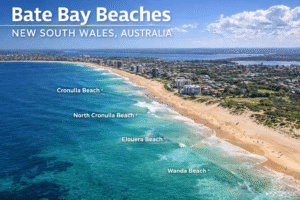
Bate Bay Beaches in New South Wales claim the top spot because they embody everything people imagine when they think about Australian coastal life. Stretching along Sydney’s southern coastline, this expansive series of beaches offers golden sand, rolling surf breaks, and well-developed facilities without losing natural charm. For domestic travelers, it’s an easy weekend getaway with reliable surf conditions. For international visitors, it delivers that iconic Aussie beach culture — lifeguard flags, surfers carving waves, and beachfront cafés serving flat whites.
The bay’s scale is impressive. You can walk for kilometers without feeling confined. Families appreciate the patrolled sections, while surfers chase consistent breaks. There’s also a strong community vibe that makes visitors feel welcome rather than intrusive. Sunsets here paint the sky in fiery oranges, reflecting off the water in a way that feels cinematic. It’s accessible, scenic, and undeniably Australian.
What Makes Bate Bay Special
Its versatility is unmatched. You can surf in the morning, picnic in the afternoon, and enjoy coastal dining at night — all within walking distance. That balance of nature and infrastructure is what elevates Bate Bay above many competitors.
2. Pinky Beach

Pinky Beach sits on the edge of paradise, offering sweeping views and turquoise waters that look almost unreal. Located near the iconic lighthouse on Rottnest Island, this beach blends raw coastal beauty with laid-back island vibes. International tourists often visit for the famous quokkas, but Pinky Beach itself becomes the highlight of their trip.
The sand is soft and powdery, the water remarkably clear. Unlike heavily populated beaches, Pinky maintains a sense of openness. There’s room to breathe, to sit quietly, to absorb the rhythm of waves without distraction. Snorkeling reveals vibrant marine life, and the surrounding dunes create a dramatic natural amphitheater.
Rottnest Island Experience
Rottnest Island enhances Pinky Beach’s appeal. With limited vehicle traffic and cycling-friendly paths, the entire island feels serene. Visitors can spend a full day exploring hidden coves before returning to Pinky for sunset views near the lighthouse.
3. Beachcomber Cove
Beachcomber Cove in Queensland offers seclusion that feels almost secretive. Unlike more commercialized tropical beaches, this cove delivers intimacy. The water is astonishingly clear, reflecting shades of aqua and emerald under the sun. For couples and solo travelers, it feels romantic and tranquil. For families, it’s a calm environment for safe swimming.
The surrounding vegetation adds depth to the scenery, creating a natural frame around the cove. You won’t find rows of umbrellas here — just nature in its pure form. It’s the type of place where you lose track of time, listening only to gentle waves brushing the shoreline.
4. Tallow Beach
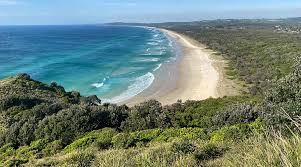
Tallow Beach stretches near Byron Bay, offering a wild, windswept coastline that feels raw and untamed. Unlike urban beaches, Tallow is expansive and often less crowded. Its backdrop of hinterland hills creates a layered landscape that feels dramatic and powerful.
For surfers, it’s a playground. For walkers, it’s a meditative escape. International visitors often describe it as “cinematic,” while locals treasure it for its quiet energy. The wind carries the scent of salt and eucalyptus, reminding you that you’re in Australia, not just any coastal destination.
5. Hellfire Bay
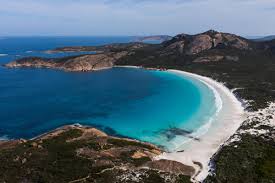
Hellfire Bay lives up to its dramatic name visually, not climatically. The contrast between brilliant white sand and impossibly turquoise water is striking. Located within Cape Le Grand National Park, it’s often considered one of Australia’s most photogenic beaches.
Visitors can climb nearby granite outcrops for panoramic views. The sense of isolation enhances the experience — you feel like you’ve discovered something precious. It’s a reminder that Western Australia’s coastline remains one of the most pristine in the world.
6. Godfreys Beach – The Nut
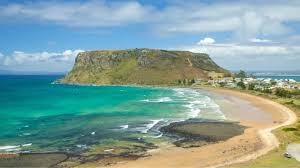
Godfreys Beach sits beneath the towering volcanic formation known as The Nut. This combination of geological drama and serene shoreline makes it unforgettable. Tasmania’s cooler climate adds a crispness to the air that feels refreshing rather than tropical.
Wildlife sightings are common, adding an element of unpredictability. The sand curves gently along the water, creating ideal walking paths. It’s a beach that feels deeply connected to its environment rather than separate from it.
7. Inskip Point
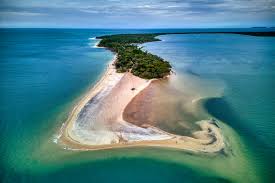
Inskip Point is more than a beach; it’s an adventure hub. Known as the gateway to K’gari (Fraser Island), it attracts 4WD enthusiasts and campers seeking rugged experiences. The landscape is dynamic — tidal shifts reshape sandbanks, creating constantly evolving scenery.
For domestic travelers, it’s a camping favorite. For international visitors, it offers a taste of Australia’s wild side. The sunsets here stretch across the horizon in soft pastel gradients that seem endless.
8. Mount Martha
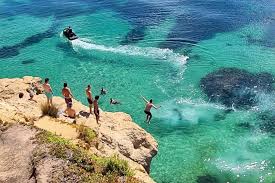
Mount Martha provides calm, shallow waters ideal for families. Located on the Mornington Peninsula, it offers colorful bathing boxes and gentle waves. The atmosphere is relaxed yet refined, blending natural beauty with accessibility.
International visitors appreciate its proximity to Melbourne, while locals treat it as a summer tradition. The water clarity and soft sand make it perfect for swimming rather than surfing.
9. Smoky Bay
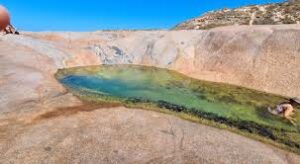
Smoky Bay combines fishing culture with tranquil shoreline views. Known for its oyster industry, it offers culinary experiences alongside coastal relaxation. The waters are calmer compared to surf-heavy beaches, creating ideal conditions for boating.
There’s a quiet charm here — fewer crowds, more authenticity. Visitors experience genuine regional hospitality, which adds depth beyond the scenery.
10. Ellery Creek Big Hole
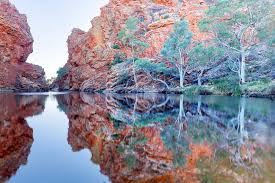
Ellery Creek Big Hole is technically inland, yet it earns its place for sheer uniqueness. Situated in the West MacDonnell Ranges, it offers a desert swimming experience unlike any coastal beach. Towering red cliffs reflect against deep water, creating a striking contrast.
For international visitors, this feels surreal — swimming in a desert landscape. For Australians, it showcases the country’s environmental diversity. It proves that Australia’s best “beaches” aren’t limited to ocean shores.
Planning Your Trip: Domestic vs International
Domestic travelers often plan around school holidays and summer peaks, while international visitors align trips with Australia’s seasonal differences. The southern states shine during December to February, while northern regions are best during the dry season. Flight accessibility, visa considerations, and regional transportation influence travel choices.
International travelers should account for distance between destinations — Australia is vast. Domestic visitors might underestimate this too. A realistic itinerary ensures quality experiences rather than rushed checklists.
Best Time to Visit by Region
Queensland and Northern Territory beaches are best during the dry season (May–October). Southern beaches like Tasmania and Victoria shine in summer months (December–March). Western Australia offers consistent sunshine but varies by coastal region.
Essential Travel Tips
Sun protection is non-negotiable. UV levels in Australia are among the highest globally, so SPF 50+ sunscreen and hats are essential. Always swim between lifeguard flags on patrolled beaches. Respect marine wildlife and local regulations.
Transportation planning matters. Renting a car expands access significantly, especially for remote beaches like Hellfire Bay or Inskip Point.
Sustainable Beach Tourism in Australia
Australia prioritizes environmental conservation, and travelers share responsibility. Avoid littering, respect dune systems, and follow park guidelines. Sustainable tourism ensures these beaches remain pristine for future generations.
Supporting local businesses also strengthens coastal communities. Small cafés, tour operators, and accommodation providers rely heavily on tourism.
Australia’s top beaches represent far more than scenic backdrops. They capture the country’s identity — vast, diverse, welcoming, and untamed. From the surf-friendly stretches of Bate Bay to the desert oasis of Ellery Creek Big Hole, each location offers a distinct story. Domestic travelers rediscover their backyard paradise, while international visitors experience landscapes unlike anywhere else on earth. Whether you crave adventure, tranquility, or cultural immersion, Australia’s coastline delivers with breathtaking consistency.
BEST BOND CLEANING BRISBANE WITH 100% BOND BACK GUARANTEED
FAQs
1. Which Australian beach is best for families?
Mount Martha and Bate Bay Beaches are ideal due to calm waters and accessible facilities.
2. What is the most unique beach experience in Australia?
Ellery Creek Big Hole offers a rare inland desert swimming experience.
3. When is the best time to visit Australian beaches?
Summer for southern states, dry season for northern regions.
4. Are Australian beaches safe for international tourists?
Yes, especially when swimming between lifeguard flags and following safety guidelines.
5. Which beach offers the best photography opportunities?
Hellfire Bay and Godfreys Beach – The Nut provide dramatic, photogenic landscapes.